
Where Does Tango Come From?
Argentine tango was born in the late 19th century in the port neighborhoods of Buenos Aires and Montevideo. European immigrants, African descendants, and native Argentines mixed their music, dances, and traditions, creating a powerful new cultural expression.
From humble street corners to dance halls and salons around the world, tango grew as a way to share longing, identity, and connection, expressing feelings that words alone could not.
Origins of the Word “Tango”
The exact origin of the word tango is debated, but most theories point to African and Latin roots. In Latin, tangere means “to touch” or “to play an instrument,” while in African languages, “tango” described gatherings with drum music and dance.
By the 19th century in Argentina, the word was used for private spaces where Black communities met to dance. Over time, it came to describe both the music and the dance that spread across the world.
The History of Tango
Tango was born in Buenos Aires in the late 1800s, when immigrants from many places gathered in the city’s port neighborhoods. Far from home and longing for connection, they created a dance that gave shape to feelings words couldn’t capture.
Blending African candombe, Cuban habanera, and European polkas and waltzes, tango grew from small Afro-Argentine venues to bars, dance halls, and street corners. Its mix of cultures and rhythms made it both deeply local and universally human.
Uruguay also claims tango as its own. La Cumparsita, one of the most famous tango songs ever written, was composed in Montevideo in 1919 by Gerardo Matos Rodriguez, adding another layer to tango’s rich heritage.

The Rise of Tango
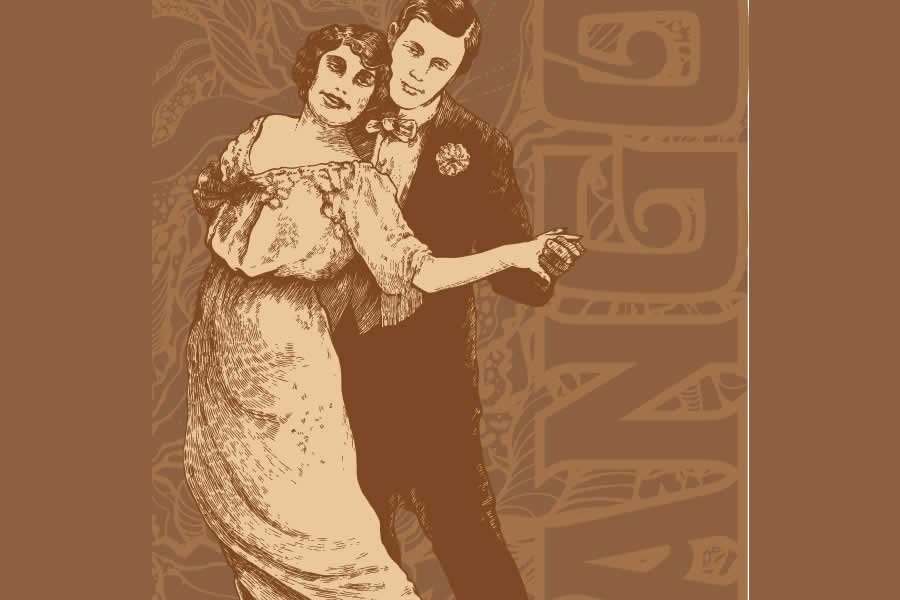
Although high society initially looked down upon tango, the younger generation in Buenos Aires eventually adopted it. By the beginning of the 20th century, tango established itself in Buenos Aires. It then started to spread nationally and further afield to Montevideo, the capital of Uruguay.
In the early 1900s, the same generation of Argentine wealth took tango to Paris. By 1913, tango became a phenomenon there as well as in London, Berlin, New York and Finland. The Argentine elite was forced into accepting it with national pride.
The Golden Age of Argentine Tango
In the 1920s and 30s, tango took the world by storm. It appeared in films, singers toured abroad, and in Argentina it became a proud national symbol. This era is now remembered as tango’s Golden Age.
By the 1950s, political repression and the rise of rock & roll pushed tango into the background, with many gatherings moving underground. Still, the dance never disappeared. Japan kept the tradition alive, and in the 1980s the Paris-based show Tango Argentina reignited global passion, bringing tango back to the world stage.
Argentine Tango Today
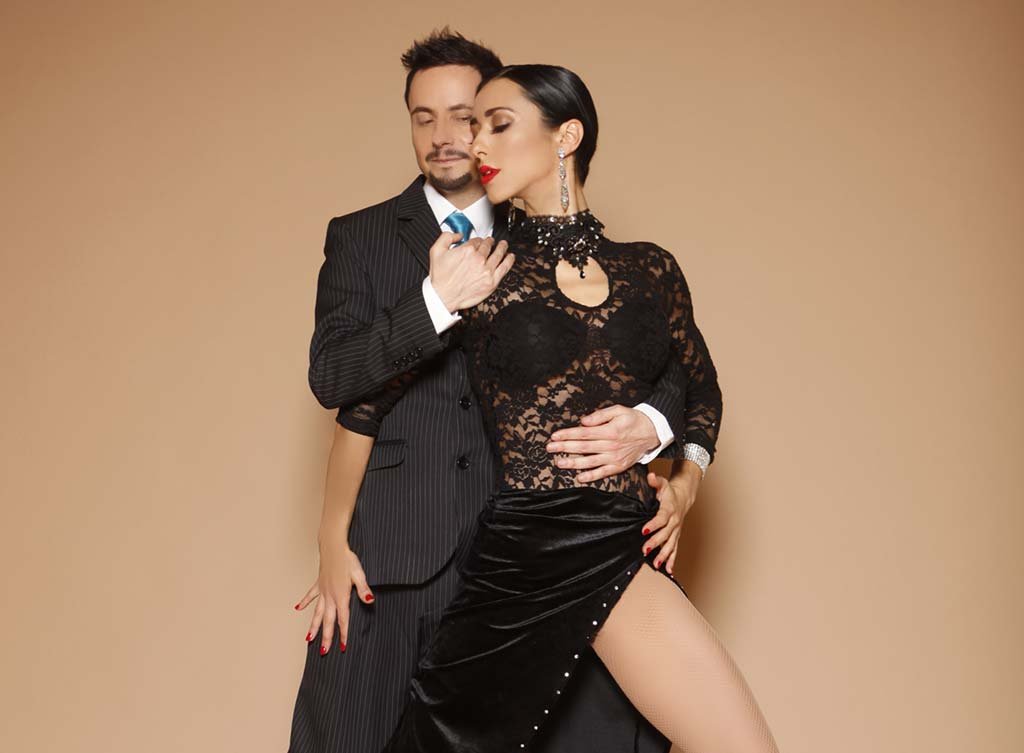
Tango shows up everywhere in pop culture, with styles ranging from tango salón to stage tango—and even a few playful ones that never got official names, like ‘Schwarzenegger tango’.
In 2009, UNESCO recognised tango as part of the world’s intangible cultural heritage, a tribute that feels just right, because tango truly belongs to everyone.
Carlos Gavito, a famous Argentine tango dancer once said: “I think those who say that you can’t tango if you are not Argentine are mistaken. Tango was an immigrant music… so it does not have a nationality. Its only passport is feeling.”
Testimonials
Ready to Experience Tango?
If something inside you is curious… if you feel drawn to the music, the movement, the magic — don’t ignore it. Tango has a way of calling those who need it most.
Whether you’re completely new to dance or rediscovering your rhythm, Tanguito offers a space where you can learn, grow, and connect — all at your own pace.
Common Questions About Tango Holidays
From Our Blog

Tango in a day: intensive seminar for beginners
Tango in a Day: 100% beginner intensive seminar (3 hours) Many of you asked if we could organise an intensive day to start (or restart) tango, specifically designed for complete or recent beginners: here it [...]

BA holidays Zoom info meeting
Sunday 13/07 at 18.30: FREE ZOOM INFO MEETING for Nov. Buenos Aires tango holidays Curious or tempted by our trip to Argentina? TO DISCOVER the FULL PROGRAMME, join the free zoom meeting this Sunday: maestros, [...]

Semi Private 100% Followers
Saturday 12/07: our first SEMI PRIVATE 100% Followers Saturday will be dedicated to followers! On Saturday we will run a semi private dedicated to followers. Learn the tricks and tips to enhance drastically balance, improve [...]
Join Our Newsletter
Be part of our circle, receive updates on classes, events, and tango stories straight to your inbox.
