
What Is Argentine Tango?
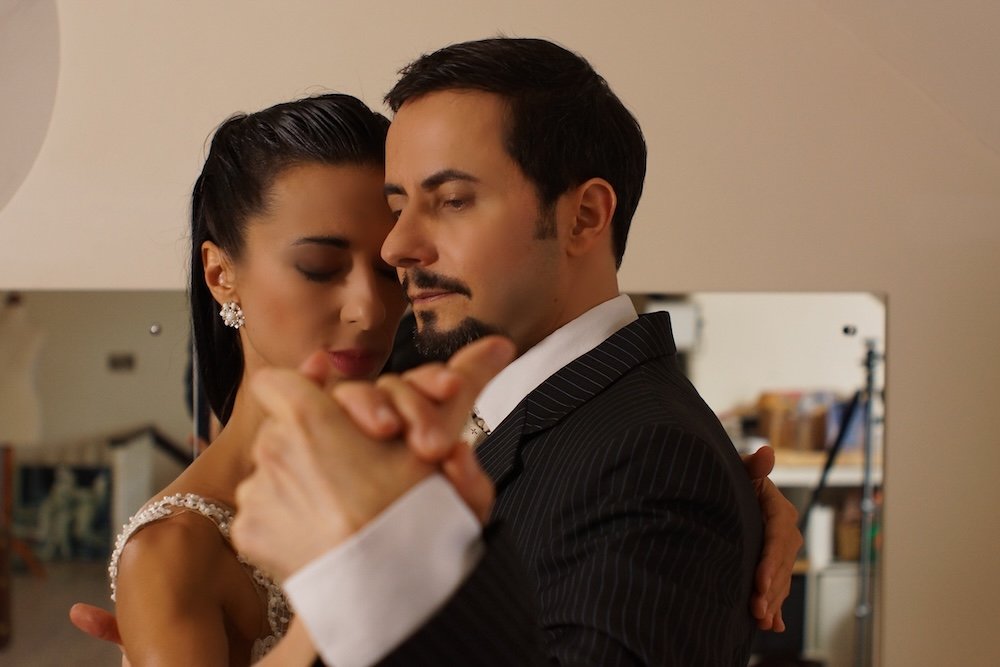
Argentine tango is an improvised partner dance that’s expressive, musical, and deeply social. It was born in Buenos Aires and has since spread across the world, danced by people of all ages and backgrounds. At Tanguito, we teach tango salón, the authentic social style you’ll find in the milongas of Argentina.
What is a Milonga?
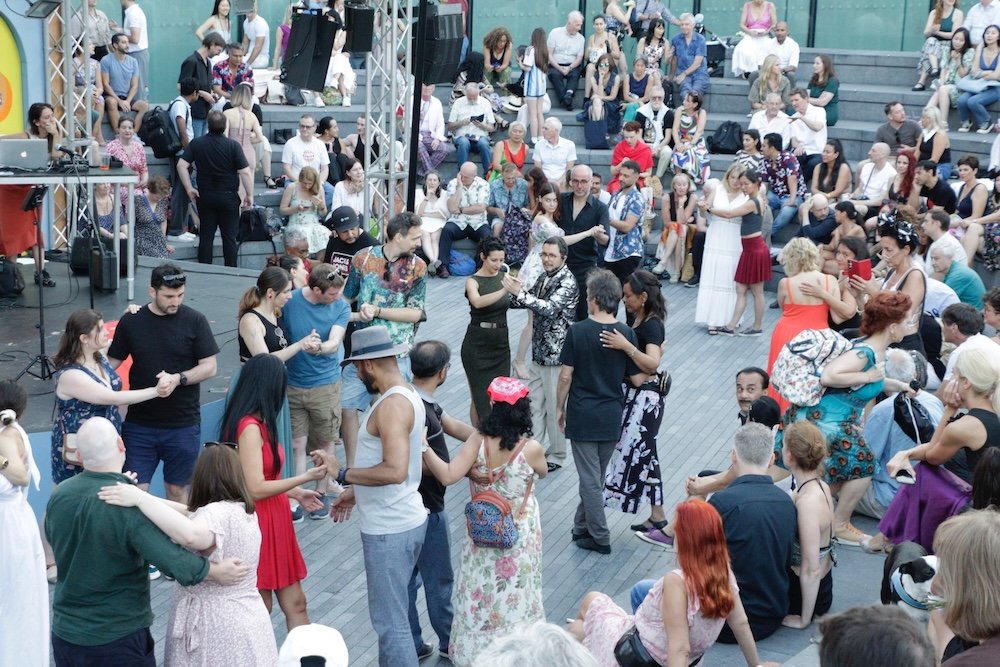
In Argentine tango, a milonga can mean two things: a lively style of tango music with faster rhythm, and the social event where dancers gather to enjoy it. At a milonga, people meet to dance, connect, and share the culture of tango.
These events are warm and welcoming, guided by simple traditions and etiquette that make the night flow with music, community, and graceful movement.
The History of Tango
The origins of tango trace back to the late 1800s in Buenos Aires, where immigrants, former slaves, and working-class locals came together. From this cultural fusion, a powerful new form of expression emerged: tango.
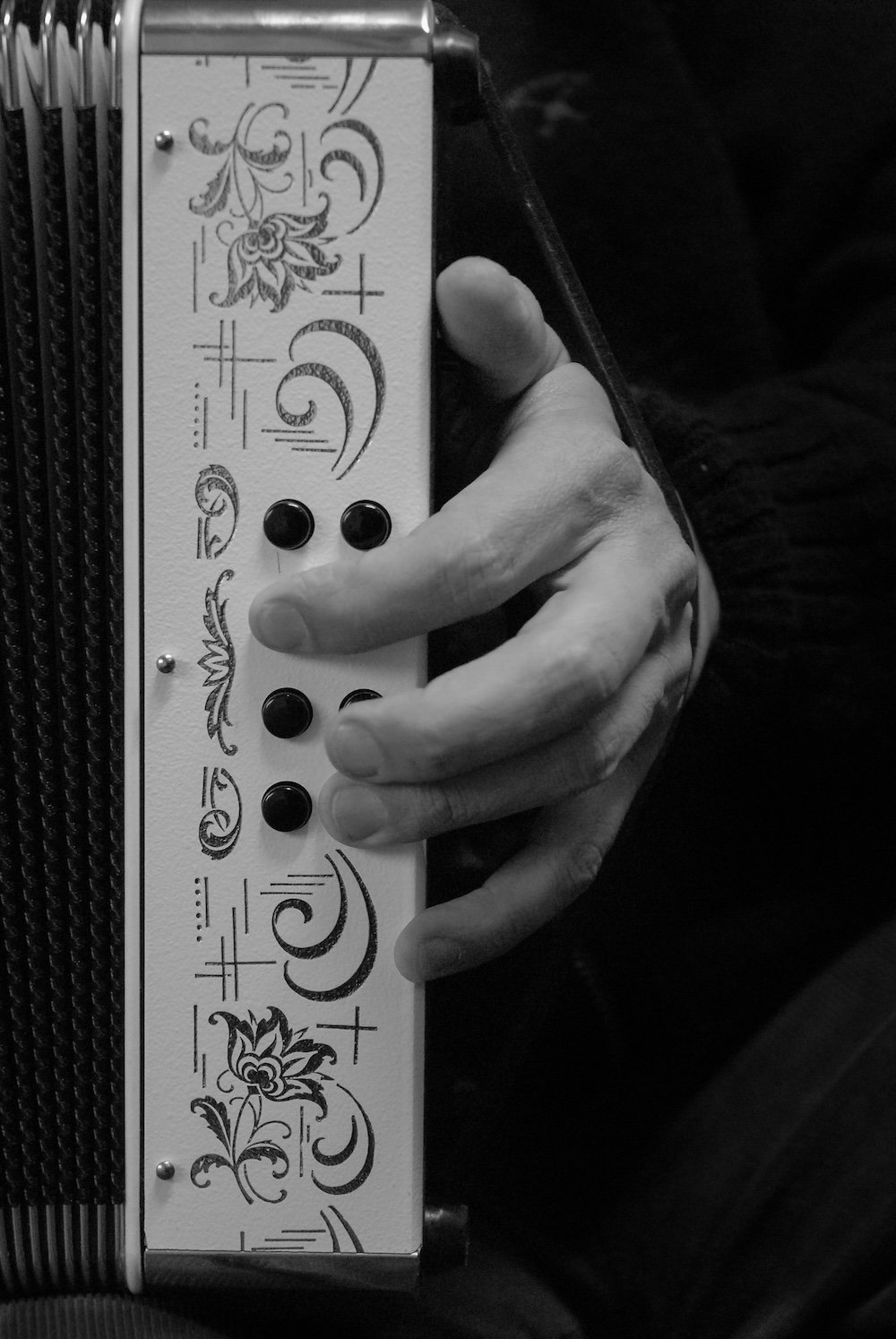
Originally danced in Buenos Aires’ port neighborhoods, tango soon spread to ballrooms and reached Europe by the 1920s. Now a UNESCO-recognized cultural treasure, its emotional depth continues to inspire dancers worldwide.
Tango on Screens
Tango has made its way into some unforgettable movie moments. From action heroes to heartfelt performances, these scenes show just how powerful, and sometimes playful, tango can be.
True Lies: A Bit Over the Top?
Scent of a Woman: A Moving Performance by Al Pacino
Take the Lead: A Sexy Performance by Banderas
Argentine Tango vs. Ballroom Tango
While both share the name “tango,” Argentine tango and ballroom tango are completely different in origin, movement, and feeling. Here’s how they compare:
Stage Tango
Choreographed for performance, stage tango is dramatic and acrobatic — often seen in shows or competitions. It’s full of big, showy moves meant for an audience.
Social Tango
Improvised and personal, social tango is danced at milongas (social events). It focuses on connection, musicality, and shared movement, and it’s what we teach at Tanguito.
Why Learn Argentine Tango with Tanguito
At Tanguito, tango isn’t just about steps, it’s about people. From your very first class, you’ll find a welcoming space to learn, connect, and make friends on and off the dance floor.
Here’s what sets us apart:
- Authentic Argentine tango taught with care
- A warm, international community where everyone fits in
- Weekly group classes and socials to learn and practise together
- Online lessons to keep you inspired at home
- Teachers who love sharing the joy of tango
- A clear structure that helps you grow with confidence
Come dance, make friends, and discover the magic of tango with us.
What Argentine Tango Means to Us
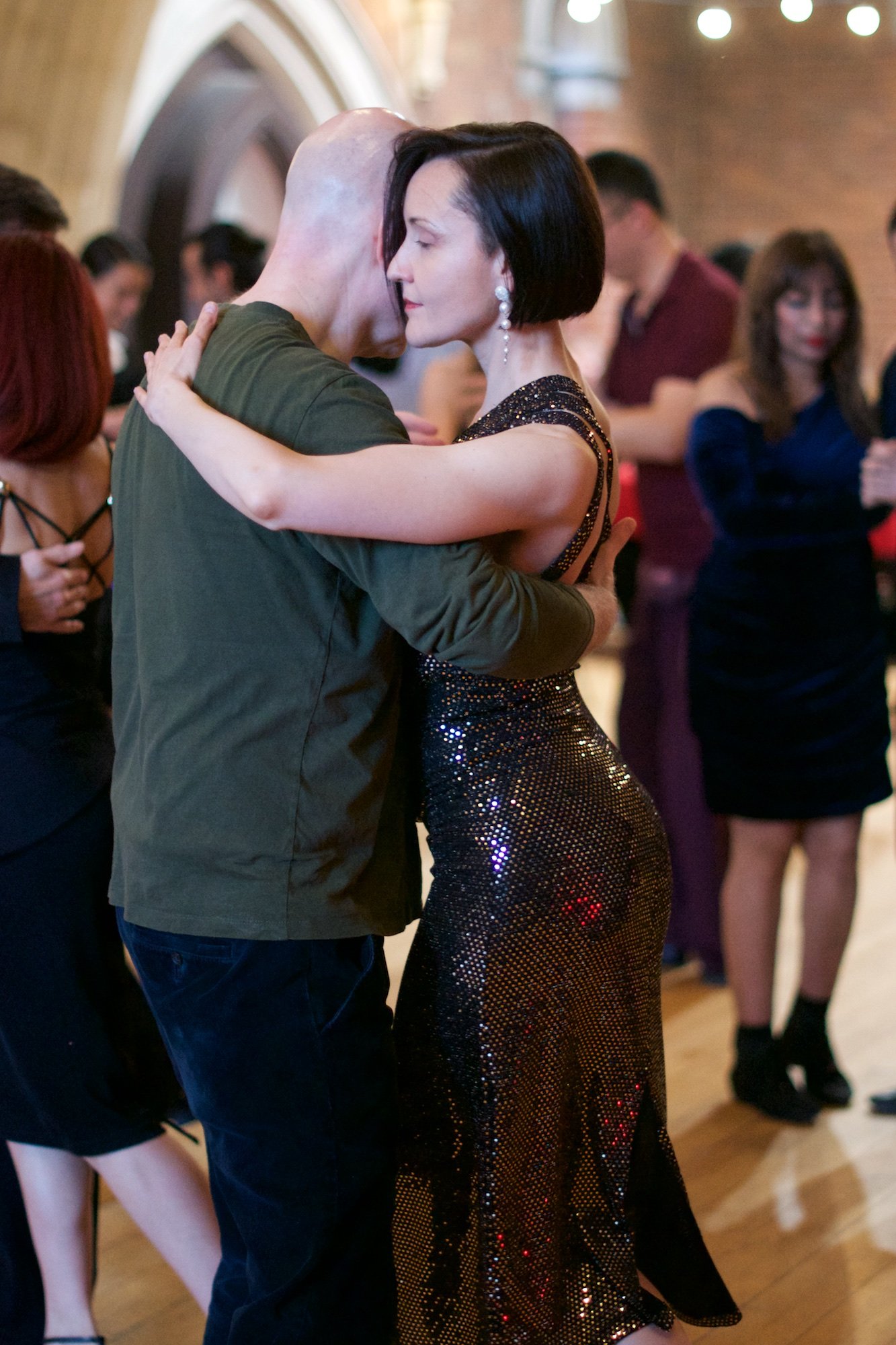
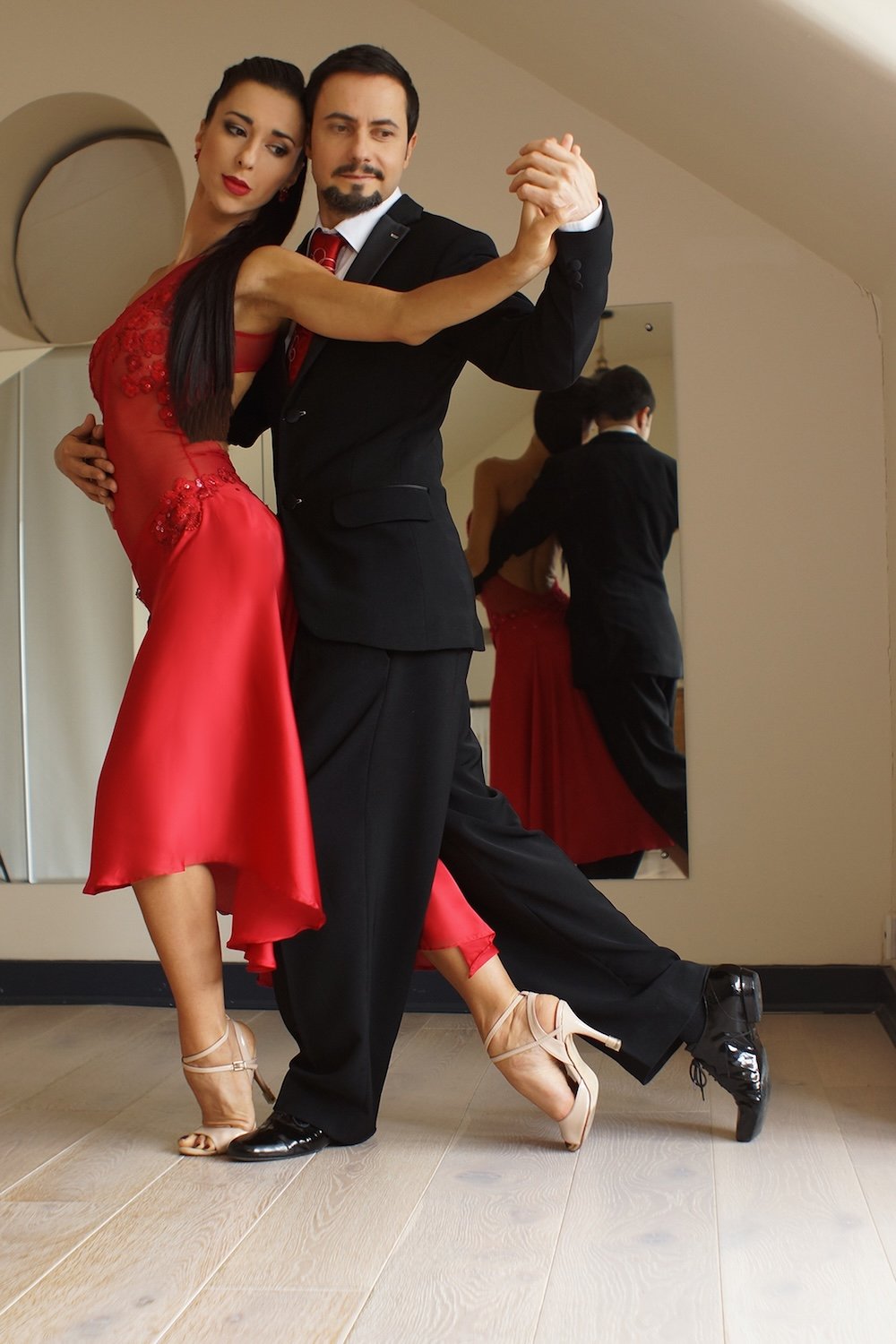
Argentine tango isn’t just a dance, it’s a language of connection, presence, and emotion. At Tanguito, we believe tango is as much about how it feels as how it looks.
- A deep connection between two people
- A calm and peaceful break from daily life
- A way to express real emotion through movement
- A dance experience that’s never the same twice
Whether you’re drawn to the music, the movement, or the meaning behind it all, you’ll find something unforgettable in tango.
Testimonials
Ready to Experience Tango?
If something inside you is curious… if you feel drawn to the music, the movement, the magic — don’t ignore it. Tango has a way of calling those who need it most.
Whether you’re completely new to dance or rediscovering your rhythm, Tanguito offers a space where you can learn, grow, and connect — all at your own pace.
Common Questions About Argentine Tango
From Our Blog

Tango in a day: intensive seminar for beginners
Tango in a Day: 100% beginner intensive seminar (3 hours) Many of you asked if we could organise an intensive day to start (or restart) tango, specifically designed for complete or recent beginners: here it [...]

BA holidays Zoom info meeting
Sunday 13/07 at 18.30: FREE ZOOM INFO MEETING for Nov. Buenos Aires tango holidays Curious or tempted by our trip to Argentina? TO DISCOVER the FULL PROGRAMME, join the free zoom meeting this Sunday: maestros, [...]

Semi Private 100% Followers
Saturday 12/07: our first SEMI PRIVATE 100% Followers Saturday will be dedicated to followers! On Saturday we will run a semi private dedicated to followers. Learn the tricks and tips to enhance drastically balance, improve [...]
Join Our Newsletter
Be part of our circle, receive updates on classes, events, and tango stories straight to your inbox.
